Ghost Lights of the Bridgewater Triangle: Folklore and Physics
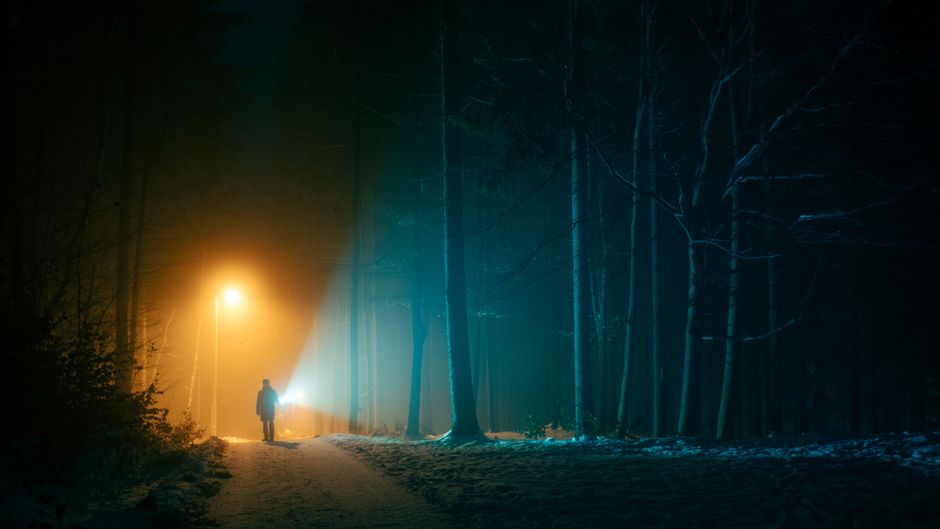
In the southeastern region of Massachusetts, an area known as the Bridgewater Triangle has long been associated with a variety of unusual phenomena. Among the most frequently reported are mysterious illuminations, often called spook lights or ghost lights, which appear as floating orbs or flickering flames in the night sky. These sightings have been documented for decades, contributing to the region’s reputation as a hotspot for anomalous activity. The Bridgewater Triangle encompasses approximately 200 square miles, including the towns of Bridgewater, Abington, Freetown, and Rehoboth, as well as parts of the Hockomock Swamp. Within this area, witnesses have described lights that move erratically, vanish suddenly, and sometimes appear to react to observers. Such accounts have inspired a rich body of folklore, while also attracting the interest of researchers seeking natural explanations.
The study of these spook lights involves examining both cultural narratives and scientific frameworks. Folklore provides context for how communities interpret unexplained events, often weaving them into local history and identity. Scientific inquiry, on the other hand, offers hypotheses that range from geological and atmospheric processes to psychological and perceptual factors. This article explores the phenomenon of ghost lights in the Bridgewater Triangle, comparing traditional legends with contemporary scientific ideas such as piezoelectricity and atmospheric plasma. By considering multiple perspectives, we can better appreciate the complexity of these reports and the challenges inherent in investigating anomalous phenomena.