The Nazca Lines: Ancient Geoglyphs and Modern Interpretations
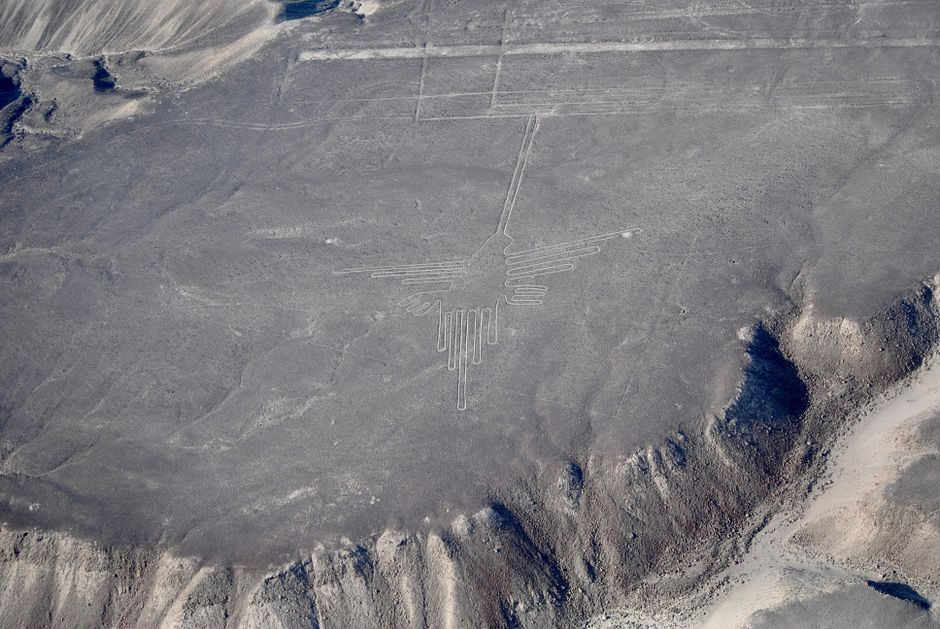
The Nazca Lines are a collection of large-scale geoglyphs etched into the arid desert plains of southern Peru. Created between roughly 500 BCE and 500 CE by pre-Columbian cultures, these enigmatic designs include hundreds of figures, from simple geometric shapes to intricate depictions of animals, plants, and humanoid forms. Their sheer scale and precision have fascinated researchers and the public alike for nearly a century, prompting a wide array of interpretations regarding their purpose and meaning.
Over the years, theories have ranged from astronomical calendars to ceremonial pathways, and even to extraterrestrial involvement. However, scholarly consensus remains elusive, as the lines likely served multiple functions that evolved over time. Recent archaeological investigations, employing cutting-edge technology such as drones and AI, have begun to uncover new details about their construction and use, shedding light on the cultural context of the societies that made them.
This article explores the various interpretations of the Nazca Lines, from early hypotheses to contemporary research, emphasizing the importance of methodological rigor and the cumulative nature of archaeological knowledge. It also considers how modern perspectives continue to shape our understanding of these ancient wonders.
Historical and Cultural Context
The Nazca Lines were created by the Nazca culture, which flourished in the region from around 100 BCE to 800 CE. The Nazca people were skilled artisans and engineers, known for their sophisticated pottery, textiles, and irrigation systems. The lines themselves were made by removing dark reddish-brown iron oxide-coated pebbles from the desert floor, revealing the lighter-colored clay beneath. This technique created a stark contrast that has endured for centuries due to the region’s stable climate, which experiences minimal rainfall and wind.
The purpose of these geoglyphs remains a subject of debate, but they were likely integral to the religious and social life of the Nazca. Some scholars propose that they were associated with water cults, as the region is extremely arid and water was a precious resource. The lines often converge on areas where water sources exist or where underground aqueducts, known as puquios, are located. Others suggest that they were used for ritual processions, with the lines serving as pathways for ceremonial walks that could be observed from nearby hills.
Additionally, the Nazca Lines may have had astronomical significance. Certain lines align with the positions of celestial bodies at specific times of the year, leading to the hypothesis that they functioned as a giant calendar for agricultural and ceremonial purposes. However, this theory has been challenged, as not all lines correspond to astronomical events, and the alignments could be coincidental. The lack of written records from the Nazca culture makes it difficult to ascertain their true intentions, leaving room for multiple interpretations.
Astronomical Alignment Theories
One of the most persistent theories about the Nazca Lines is that they were designed as an astronomical observatory. Pioneered by Paul Kosok in the 1940s and later expanded by Maria Reiche, this hypothesis suggests that many lines point to the rising and setting points of the sun, moon, and stars. For example, some lines align with the winter solstice sunset, which would have been important for agricultural planning. Reiche dedicated her life to studying and preserving the lines, and her work popularized the idea that they were a vast celestial calendar.
However, subsequent research has cast doubt on the universality of this theory. Astronomer Gerald Hawkins, known for his work on Stonehenge, analyzed the lines and found that only a small fraction could be convincingly linked to astronomical events. He concluded that the astronomical hypothesis was statistically weak. Moreover, the Nazca culture left no written records indicating such a purpose, and the construction of the lines would have required immense effort for what might have been a purely practical function.
Despite these criticisms, the astronomical theory persists, partly because it appeals to the human desire for order and meaning. It is possible that some lines were used for astronomical observations, while others served different purposes. The Nazca may have integrated celestial knowledge into their rituals, but the lines likely had multifaceted roles that varied over time and space.
Ritual Pathways and Processional Use
An alternative interpretation posits that the Nazca Lines were primarily used as ritual pathways. According to this view, the lines were not meant to be viewed from above but were rather walked upon as part of ceremonial processions. The geoglyphs would have guided participants through the desert, possibly in a trance-like state induced by music, chanting, or hallucinogenic substances. This theory aligns with the idea that the lines were sacred spaces where communication with deities or ancestors took place.
Ethnographic studies of contemporary indigenous groups in the Andes, such as the Quechua and Aymara, reveal that processional rituals often involve walking along defined paths, sometimes marked by stone cairns or lines. These rituals are often associated with water and fertility, which were critical concerns in the arid environment. The Nazca Lines may have served a similar function, with the animal figures representing totemic spirits or mythological beings that participants would encounter during their journey.
Furthermore, the presence of pottery fragments and offerings along some lines suggests that they were used for ceremonial activities. Archaeologists have found evidence of feasting and libations near the lines, indicating that they were not merely passive designs but active components of religious life. The lines could have been revisited periodically, with new segments added or modified over generations, reflecting the dynamic nature of Nazca society.
Recent Archaeological Findings
In recent years, advances in technology have revolutionized the study of the Nazca Lines. High-resolution drones, satellite imagery, and AI-powered image recognition have led to the discovery of numerous previously unknown geoglyphs. In 2019, a team of researchers using drones identified over 50 new figures, including a humanoid figure and various animals, some of which are smaller and older than the famous large ones. These findings suggest that the tradition of making geoglyphs spanned a longer period and involved more diverse designs than previously thought.
Additionally, excavations at the site of La Pampa have uncovered artifacts that provide clues about the people who made the lines. Radiocarbon dating of organic materials found in association with the geoglyphs has helped refine the chronology, indicating that some lines were created as early as 500 BCE, while others were made later. This temporal spread supports the idea that the lines were not the product of a single generation but evolved over centuries.
Moreover, researchers have used AI to analyze the distribution and patterns of the lines, revealing that they are often located near ancient paths and water sources. This spatial analysis supports the ritual pathway hypothesis, as it suggests that the lines were integrated into the daily and ceremonial movements of the Nazca people. The combination of traditional archaeological methods with modern technology continues to yield new insights, emphasizing the importance of interdisciplinary approaches.
Modern Interpretations and Preservation
Today, the Nazca Lines are a UNESCO World Heritage Site and a major tourist attraction. They face threats from natural erosion, climate change, and human activity, including illegal mining and vandalism. Preservation efforts are ongoing, involving local communities, government agencies, and international organizations. The site’s management requires balancing tourism with conservation, ensuring that the lines remain intact for future generations.
Modern interpretations of the Nazca Lines continue to evolve, drawing on new evidence and theoretical frameworks. Some scholars emphasize the role of the lines in social integration, suggesting that they were a way for the Nazca to express their collective identity and relationship with the cosmos. Others focus on the engineering and artistic achievements, highlighting the precision and planning required to create such large-scale designs.
As with many ancient mysteries, the true purpose of the Nazca Lines may never be fully known. However, the ongoing research and diverse perspectives contribute to a richer understanding of this remarkable cultural heritage. By maintaining a neutral and evidence-based approach, we can appreciate the Nazca Lines as a testament to human creativity and adaptability in a challenging environment.