Bigfoot in the Pacific Northwest: Eyewitness Accounts and Field Studies
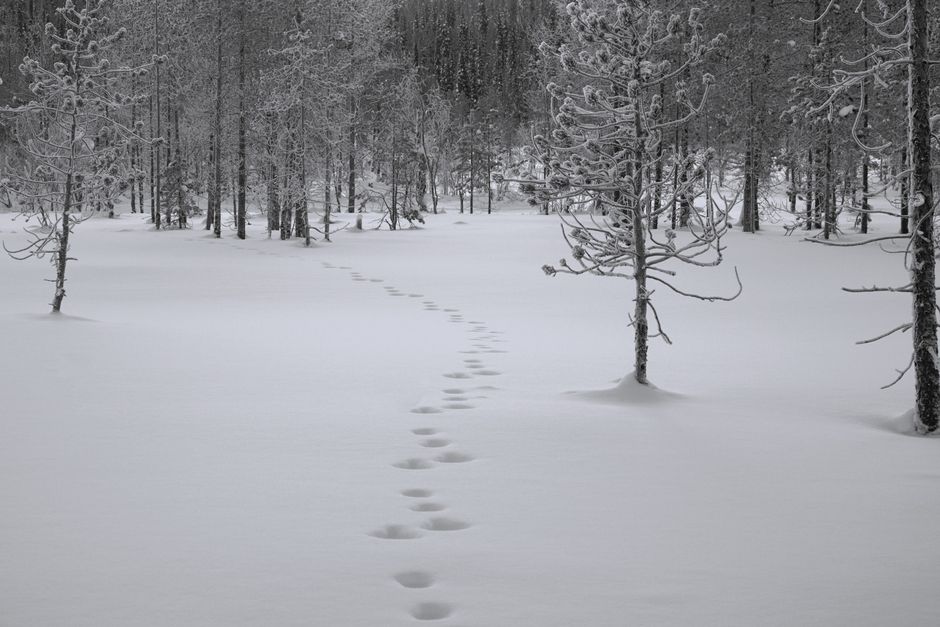
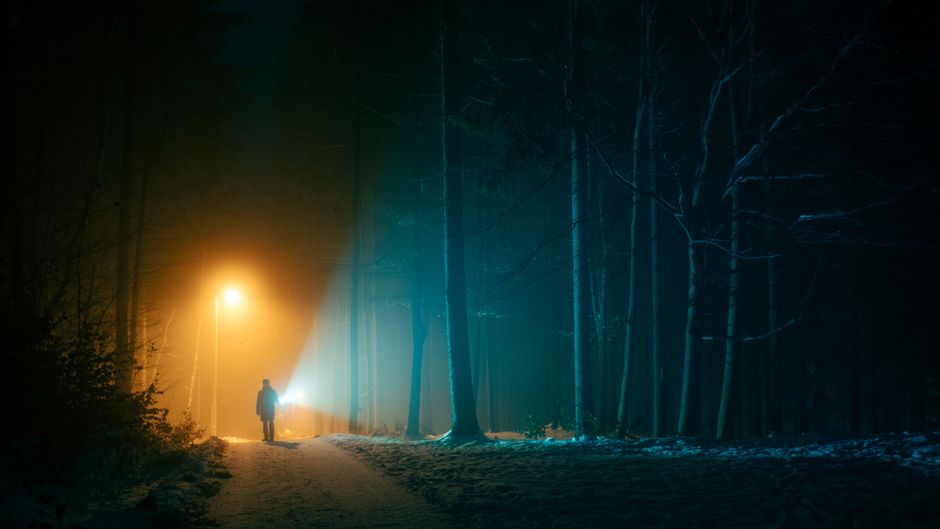
The Pacific Northwest, particularly Washington and Oregon, has long been associated with reports of an unidentified bipedal creature commonly known as Bigfoot or Sasquatch. Over the decades, a diverse array of eyewitness accounts, footprint casts, and audio recordings have emerged from this region, contributing to a persistent cultural phenomenon and a subject of ongoing field investigations. These reports often describe large, hairy figures moving through dense forests, leaving behind physical traces that some interpret as evidence of an unrecognized primate species. The sheer volume of such accounts in this specific geographic area has made it a focal point for both enthusiasts and researchers attempting to document and analyze the phenomenon.
This article reviews the historical context of Bigfoot sightings in Washington and Oregon, examining the nature of eyewitness testimonies and the physical evidence that has been collected over time. It also considers the methods used in field studies, the challenges of verifying such evidence, and the various factors that influence its interpretation. By exploring the landscape of sightings and investigations, the discussion aims to provide a balanced overview of what is known and what remains uncertain about this enduring mystery of the Pacific Northwest.
Understanding the Bigfoot phenomenon requires careful consideration of both anecdotal reports and systematic inquiry. While many sightings remain unexplained, the evaluation of evidence involves multiple disciplines, including wildlife biology, anthropology, and forensic analysis. The following sections delve into the characteristics of eyewitness accounts, the role of physical traces such as footprints, the use of audio recordings, and the overall quality and limitations of the evidence gathered to date.
Historical Context of Bigfoot Sightings in the Pacific Northwest
Reports of large, unidentified hominids in the Pacific Northwest predate the modern era, with Indigenous oral traditions describing similar beings in the region’s forests and mountains. These stories often portrayed such creatures as powerful, elusive, and sometimes spiritual entities, reflecting a deep cultural connection to the natural environment. In the mid-20th century, media attention and popular culture brought the term “Bigfoot” into widespread use, leading to a surge in reported sightings from the public. Washington and Oregon, with their vast expanses of coniferous forests and rugged terrain, became hotspots for these accounts, partly due to the region’s low human population density and abundant wilderness.
During the 1960s and 1970s, a number of high-profile sightings and the famous Patterson-Gimlin film brought national and international attention to the phenomenon. This period also saw the emergence of organized expeditions and the collection of physical evidence, such as footprint casts, which were often presented as proof of the creature’s existence. However, skepticism from the scientific community grew, as many of these findings could not be conclusively verified or were attributed to known animals or hoaxes. Despite this, the flow of reports from the Pacific Northwest continued, with each decade adding new accounts and purported evidence to the record.
In recent years, the internet and social media have facilitated the rapid sharing of sightings and evidence, allowing for broader public participation in the discussion. This has led to a proliferation of amateur investigations and a renewed interest in the phenomenon, particularly in rural communities across Washington and Oregon. While the core debate remains unresolved, the historical trajectory of Bigfoot reports in the region illustrates a complex interplay between folklore, media, and personal experience.
Eyewitness Accounts: Patterns and Characteristics
Eyewitness accounts form the backbone of the Bigfoot phenomenon, providing the primary source of anecdotal evidence. These reports typically describe encounters with a large, bipedal, ape-like creature covered in dark hair, often standing between six and nine feet tall. Witnesses frequently mention a strong, unpleasant odor associated with the creature, as well as unusual vocalizations such as screams or wood knocks. Sightings occur in a variety of settings, from remote hiking trails to the edges of suburban areas, though the majority are reported in forested regions. The consistency of certain details across thousands of independent accounts has led some researchers to argue that a real, unidentified species may underlie the reports.
However, the reliability of eyewitness testimony is subject to numerous psychological and environmental factors. Memory can be influenced by expectation, media exposure, and the conditions under which the sighting occurs. Many encounters are brief and occur in low light or dense vegetation, making accurate identification difficult. Additionally, the tendency for reports to cluster in areas with existing Bigfoot folklore suggests that cultural priming may play a role. Despite these caveats, the volume and persistence of eyewitness accounts in Washington and Oregon have motivated ongoing field studies and data collection efforts.
Field researchers often conduct interviews with witnesses to gather detailed descriptions and assess consistency. Some organizations, such as the Bigfoot Field Researchers Organization (BFRO), maintain databases of sightings that include location, date, and narrative details. These databases allow for spatial and temporal analyses, which have identified patterns such as increased reports during certain seasons or in specific habitats. While such patterns do not confirm the existence of Bigfoot, they provide a framework for understanding where and when sightings are most likely to occur, guiding further investigation.
Physical Evidence: Footprint Casts and Other Traces
Footprint casts are among the most tangible pieces of evidence offered in support of Bigfoot. In the Pacific Northwest, numerous casts have been collected, some of which exhibit characteristics that proponents argue are difficult to attribute to known animals. These include large size, a high arch, distinct toes, and a lack of claw marks. Some casts also show signs of a mid-tarsal break, a feature present in some primates but not in typical human feet. Investigators have used these casts to estimate the weight and gait of the creature, suggesting a massive bipedal animal.
Critics, however, point out that many casts are of dubious origin, with some proven to be hoaxes or misidentifications of bear tracks, human footprints, or other animal signs. The process of casting itself can introduce artifacts, and the lack of a clear chain of custody for many specimens complicates verification. Furthermore, the absence of fossil evidence or a type specimen means that footprint casts, even if genuine, cannot be definitively linked to a specific species. Despite these limitations, casts continue to be a focal point of field studies, with researchers employing forensic techniques to analyze dermatoglyphics and pressure ridges.
Other physical traces include hair samples, scat, and nest-like structures. Hair samples have been subjected to DNA analysis, but results have so far been inconclusive or have matched known species such as bear, elk, or human. The possibility of contamination and the degraded nature of environmental DNA pose significant challenges. Nest structures, sometimes called “Bigfoot beds,” are often attributed to other animals like bears or to natural formations. Overall, while physical evidence is central to the search for Bigfoot, its interpretation remains contentious and subject to multiple explanations.
Audio Recordings and Vocalizations
Audio recordings of purported Bigfoot vocalizations represent another category of evidence. These recordings often capture loud, high-pitched screams, growls, or wood knocks, which some researchers interpret as communication signals. In the Pacific Northwest, several well-known recordings have been circulated, including the Sierra Sounds and various howls captured in remote areas. Proponents argue that the acoustic properties of these sounds fall outside the range of known wildlife, suggesting an unidentified source. Some analyses have compared the recordings to known animal calls, but definitive matches or mismatches are rare due to the variability of natural soundscapes.
Skeptics note that many recordings are of poor quality and can be mimicked by known animals, such as coyotes, foxes, or even humans. The lack of standardized recording protocols and the potential for editing further complicate the assessment. Moreover, the subjective nature of interpreting unfamiliar sounds can lead to misidentification. Despite these issues, ongoing efforts to collect and analyze audio data continue, with some researchers using spectrograms and machine learning in attempts to identify patterns that might distinguish Bigfoot vocalizations from known sources.
Field studies that incorporate audio monitoring often deploy automated recording units in areas with frequent sightings. These units can capture sounds over extended periods, providing a wealth of data that may contain both known and unknown vocalizations. However, the sheer volume of data and the high rate of false positives require careful filtering and expert review. As with other types of evidence, audio recordings alone are rarely considered conclusive, but they contribute to the broader body of information that researchers use to evaluate the phenomenon.
Evaluating the Quality of Evidence
Assessing the quality of Bigfoot evidence involves applying principles of scientific rigor, including reproducibility, objectivity, and peer review. Eyewitness accounts, while abundant, are inherently subjective and prone to error. Footprint casts can be physically examined, but their provenance and authenticity are often uncertain. Audio recordings can be analyzed spectrographically, yet the interpretation of sounds remains challenging. In all cases, the evidence is circumstantial and falls short of the standards required to establish the existence of a new species.
Researchers from various fields have weighed in on the phenomenon, with most concluding that the current evidence is insufficient. Some suggest that the persistence of sightings can be explained by a combination of misidentification, folklore, and hoaxing. Others argue that the possibility of an unknown primate should not be dismissed outright, given the region’s vast and unexplored wilderness. This debate highlights the importance of distinguishing between anecdotal reports and scientifically validated data, and it underscores the need for continued, methodical investigation.
For those interested in the subject, organizations like Anomaly Files provide platforms for documenting and discussing sightings and evidence, emphasizing transparency and critical thinking. While the mystery of Bigfoot in the Pacific Northwest remains unsolved, the ongoing collection and evaluation of evidence contribute to a deeper understanding of how such phenomena are studied and interpreted. Ultimately, the quality of evidence is judged by its ability to withstand scrutiny and to be independently verified, a standard that Bigfoot evidence has yet to meet conclusively.
“The search for Bigfoot is as much about human perception and cultural narratives as it is about biology. Each new report and artifact invites us to question what we know and how we know it.”
The legacy of Bigfoot in the Pacific Northwest is a testament to the enduring human fascination with the unknown. Whether the creature exists or not, the accounts and studies surrounding it reflect a complex interplay of nature, culture, and belief. As field research continues and technology advances, the evidence may one day tip the scales, but for now, the phenomenon remains a compelling enigma of the region.